English
  عربى
عربى  中文简体
中文简体 
أخبار

دليل اختيار حاجز السفينة: الأنواع والمواد والتركيب
 2026.08.07
 أخبار الصناعة
يعد حاجز السفينة واحدًا من أكثر المكونات المتواضعة والأكثر أهمية في سطح السفينة. عندما يتم دفع سفينة شحن يبلغ طولها 200 متر نحو الرصيف بفعل الرياح والتيار، فإن تلك الأعمدة العمودية القوية تتحمل الحمولة الكاملة لخطوط الإرساء، مما يحمل آلاف الأطنان من الفولاذ في مكانها. بالنسبة للمهندسين ومشغلي السفن، فإن فهم كيفية عمل هذه التركيبات، والأنواع الموجودة، وكيفية تحديد مواصفاتها بشكل صحيح ليس مجرد تمرين فني - فهو يؤثر بشكل مباشر على السلامة والكفاءة التشغيلية والامتثال للتصنيف.
يغطي هذا الدليل الجوانب الأساسية لأعمدة السفن: وظيفتها، والأنواع الرئيسية التي ستواجهها، ومواد التصنيع، وطرق التثبيت، وكيفية ملاءمتها لنظام إرساء كامل على سطح السفينة.
محتوى
ما هو بولارد السفينة؟
حاجز السفينة عبارة عن عمود رأسي قوي، عادة ما يكون مصنوعًا من الفولاذ المصبوب أو المطروق، مثبتًا على سطح السفينة أو الرصيف لتأمين خطوط الإرساء. المصطلح مشتق من كلمة "bole"، التي تعني جذع الشجرة - وهو أصل مناسب، مع الأخذ في الاعتبار الشكل والقوة المطلوبة. في حين أن التصميم تطور بشكل كبير منذ أول استخدام موثق له في عام 1844، إلا أن المهمة الأساسية لم تتغير: الإمساك بحبل أو كابل سلكي بقوة حتى تبقى السفينة بجانب الرصيف أو سفينة أخرى.
في سياق نظام الإرساء الكامل، يعمل الحاجز بمثابة نقطة الربط السلبية . إنه لا يسحب أو يلف أو يوجه خطًا - إنه ببساطة يحمله. وهذا التمييز مهم: فالعمل النشط المتمثل في نقل السفينة إلى الرصيف يتم التعامل معه بواسطة آلات مثل الروافع والروافع، في حين لا يستقبل الحاجز الحبال إلا بعد أن يكون تحت التوتر بالفعل.
أحد المصطلحات ذات الصلة التي ستواجهها هو سحب بولارد . يشير هذا إلى قوة القطر التي يمكن أن تمارسها السفينة من خلال مراوحها مقاسة مقابل حاجز ثابت على الشاطئ. إنها مواصفات أساسية لقوارب القطر وزوارق العمل.
حواجز السفن مقابل حواجز الشاطئ: فهم الفرق
ينطبق مصطلح "الحاجز" على كل من التركيبات الموجودة على متن السفن وعلى رصيف السفن، ولكن تم تصميمها بأولويات مختلفة. أ حاجز السفينة إنه مدمج ومصمم للتعامل مع الأحمال الديناميكية أثناء تحرك السفينة مع الأمواج وتغيرات القطع. يجب أن تتوافق هذه الوحدات مع قواعد مجتمع التصنيف وأن تتناسب مع المساحة الضيقة للسطح.
A حاجز الشاطئ عادةً ما تكون أكبر حجمًا ويتم تصنيفها للقوى المشتركة لخطوط الإرساء المتعددة من سفينة كاملة الحجم. يجب أن تأخذ المنشآت الساحلية أيضًا في الاعتبار نطاقات المد والجزر والزوايا المحددة التي تقترب بها الخطوط من السفينة.
هيكل الرصيف ذو الصلة هو رباط الدلفين . على عكس الحاجز المثبت مباشرة على وجه الرصيف، فإن الدلفين عبارة عن هيكل مستقل مبني في الماء، يستخدم لترسيخ السفن الكبيرة حيث لا يتوفر رصيف مستمر. إنها عملية تركيب شديدة التحمل، ولكن مبدأ توفير مرساة ثابتة للخطوط هو نفسه.
الأنواع الشائعة من حواجز السفن وأعمدة الإرساء
يعتمد اختيار نوع الحاجز على حجم السفينة، وحمولة الإرساء المتوقعة، ونطاق زوايا الخطوط التي من المحتمل مواجهتها. فيما يلي التصاميم الأكثر استخدامًا.
| اكتب | نطاق التحميل النموذجي | أفضل تطبيق |
|---|---|---|
| رأس على شكل حرف T | ما يصل إلى ~ 300 طن | رباط للأغراض العامة؛ التصميم الأكثر شيوعا |
| هورن / ستاغهورن | حمولة عالية | يتعامل مع زوايا الخطوط القصوى والسحب متعدد الاتجاهات |
| الكلى | حمولة متوسطة | المد والجزر المنخفضة إلى المعتدلة. الاختيار الاقتصادي |
| المربط | 5-35 طن | استخدام المراكب الصغيرة وقوارب العمل والمارينا |
| بت مزدوج | حمولة عالية | ترتيبات الخطوط الكثيفة؛ يوفر مساحة سطح السفينة |
| بت واحد | حمولة متوسطة | نطاقات المد والجزر الكبيرة. زوايا خطية حادة |
| عمود | حمولة منخفضة | نطاقات المد والجزر الصغيرة والواجب الخفيف |
تي هيد بولارد
يعتبر T-head هو العمود الفقري لهذه الصناعة. يمنع العارضة العلوية الأفقية الخطوط من الانزلاق لأعلى، بينما يحمل الجذع العمودي الحمل. متوفر بسعات تصل إلى 300 طن تقريبًا، وهذا النوع يناسب معظم السفن التجارية العابرة للمحيطات. إذا لم تكن متأكدًا من الحاجز الذي يجب مواصفاته لسفينة بضائع عامة، فهذا هو الوضع الافتراضي الآمن.
هورن / ستاجهورن بولارد
في المواقف التي قد يقترب فيها الخط من زاوية أفقية غير ملائمة - كما هو الحال عند رصيف العبارات أو عندما تكون السفينة ممسكة بخطوط زنبركية - فإن حاجز البوق هو الاختيار الصحيح. تسمح "قرونها" البارزة بلف الخطوط بطريقة تقاوم السحب الجانبي دون انزلاق الخط من نهاية التركيب.
بولارد الكلى
يوفر الشكل الكلوي سطح محمل أكبر قليلًا من العمود البسيط، مما يجعله خيارًا قويًا ومنخفض التكلفة للأحمال المتوسطة. إنه يعمل بشكل جيد عندما يكون نطاق المد والجزر متواضعًا ولا تحتاج الخطوط إلى العمل بزوايا رأسية شديدة الانحدار. غالبًا ما تستخدم السفن ذات الإزاحة الخفيفة في المياه المحمية هذا النوع.
المربط بولارد
المربط هو في الأساس حاجز مدمج ذو طرفين بارزين، يتراوح وزنه من 5 إلى 35 طنًا. إنها التركيبة القياسية للسفن الصغيرة والمتوسطة، بما في ذلك القاطرات، وقوارب الإرشاد، ومراكب الصيد. إن شكلها المنخفض وقبضتها القوية تجعل من السهل على الطاقم العمل بسرعة، حتى مع القوى العاملة المحدودة.
بت مزدوج وبت واحد
ال بت مزدوج عبارة عن عمودين رأسيين مثبتين بالقرب من بعضهما البعض على قاعدة مشتركة. يسمح هذا التصميم بتأمين عدة خطوط بنفس المساحة، مما يوفر المساحة على سطح مزدحم. ال بت واحد ، يُطلق عليه أحيانًا النمط الأمريكي، وهو نوع واحد من الحواجز المغلقة التي تناسب زوايا الخطوط شديدة الانحدار لأنها تسمح بتوصيل الخيوط من اتجاهات متعددة.
عمود بولارد
ال straight pillar is the simplest form, used mostly where tides are small and loads are light. Its lack of a flared top makes it less suited to heavy seagoing use, but it is an economical option for barge fleets and inland waterway vessels.
ميزة التصميم الرئيسية: لماذا يكون الجزء العلوي أوسع من القاعدة
غالبًا ما يكون الجزء العلوي من الحاجز أعرض من قاعدته حسب التصميم. هذا التوهج ليس تجميليًا؛ فهو يمنع عين خط الإرساء من الزحف لأعلى وبعيدًا عن التركيب عندما تدور السفينة أو يرتفع الخط. يشكل الخط الذي يقفز من حاجزه تحت التوتر خطرًا كبيرًا على السلامة. قم دائمًا بفحص الحاجز المقترح للتأكد من وجود هذه الميزة ومتناسبها بشكل صحيح.
المواد واعتبارات التصنيع
ال material selected for a bollard dictates its strength, corrosion resistance, and longevity. Three materials dominate the market.
- يلقي الصلب هو المعيار للأعمدة عالية التحميل. إنه يوفر قوة وليونة ممتازتين، ويستجيب بشكل متوقع للضغط الشديد دون أن ينكسر. إنه الخيار المفضل للسفن العابرة للمحيطات ومنشآت الأرصفة الثقيلة.
- الصلب مزورة يتم استخدامه حيث تكون القوة القصوى مطلوبة في شكل مضغوط. يعمل التزوير على محاذاة بنية حبيبات المادة مع شكل الجزء، مما يحسن المتانة. غالبًا ما يتم تصنيع أعمدة سفن الرفع الثقيل.
- حديد الدكتايل يعد خيارًا فعالاً من حيث التكلفة للأحمال المتوسطة والخفيفة. إنه قوي ومقاوم للتآكل ولكن لديه قوة خضوع أقل من الفولاذ المصبوب أو الفولاذ المطروق، لذلك فهو غير مناسب للتطبيقات ذات السعة العالية.
بغض النظر عن المادة، فإن حماية السطح هي ما يمنع الصدأ ويطيل عمر الخدمة. الجلفنة بالغمس الساخن هو العلاج الأكثر شيوعاً لتجهيزات سطح السفينة؛ فهو متين ويتحمل الأجواء البحرية. في البيئات العدوانية، أو حيث تكون الجماليات مهمة، أ طلاء الايبوكسي أو البولي يوريثين يمكن تطبيقها بالإضافة إلى الجلفنة.
جودة التصنيع مهمة هنا أكثر من العديد من مكونات سطح السفينة الأخرى. يمكن لتفاصيل اللحام الضعيفة، أو المسامية الداخلية، أو التحولات الضعيفة في القاعدة أن تحول حاجزًا جديدًا إلى عبء في اللحظة المحددة التي يتم تحميله فيها بأقصى قوة. ابحث عن مورد لديه إجراءات لحام موثقة، وقدرة على التصنيع باستخدام الحاسب الآلي، وعملية مراقبة الجودة التي تتضمن التحقق من الأبعاد وإمكانية تتبع المواد.
تركيب حاجز على سطح السفينة
الre are two proven methods of securing a bollard to a deck: لحام و انشقاق .
تركيب ملحومة ينشئ اتصالاً دائمًا يعمل على تطوير القوة الكاملة لمادة الحاجز. هذا هو النهج المحدد لمعظم الإنشاءات الجديدة للسفن الكبيرة، حيث يتم تخطيط اللحام الكامل الاختراق بعناية في هيكل السطح. لا يمكن إزالة الأعمدة الملحومة بدون قطع، لذا فإن هذه الطريقة تناسب التطبيقات التي ستبقى فيها التركيبات طوال عمر السفينة.
تركيب مسدود يسمح بإزالة الحاجز لاستبداله أو تغيير موضعه. يُستخدم هذا النهج بشكل شائع في قوارب العمل، حيث تنتقل المعدات بين العقود، أو على الأسطح حيث توجد طبقات حساسة للحرارة. العامل الحاسم في حاجز التثبيت المثبت بمسامير هو التحقق من أن نمط الترباس يتطابق مع البنية التحتية للسطح. غالبًا ما يتم تصميم الحواجز لتتناسب مع نمط الترباس الموجود، لذا من المفيد التحقق من أبعاد القاعدة قبل الطلب.
وأيًا كانت الطريقة المستخدمة، يجب تعزيز هيكل الأساس لنشر حمل السحب داخل الهيكل. تكون قوة الحاجز قوية بقدر قوة السطح المتصل به. تتطلب قواعد مجتمع التصنيف التحقق من البنية الداعمة عن طريق الحساب، وفي معظم الحالات، فحصها أثناء التجهيز.
كيف تعمل الشمعات مع معدات رباط سطح السفينة الأخرى
يعمل الحاجز بمفرده، ولكنه جزء من نظام رباط أوسع. يساعد تسلسل عملية الإرساء القياسية في توضيح الشراكة.
- يتم تمرير خط إلى الشاطئ ووضعه على حاجز الرصيف.
- مرة أخرى على السفينة، يتم توجيه الخط من خلال أ سطح السفينة Fairlead لتوجيه خط الإرساء مما يمنعها من الاحتكاك بالحصون أو حواف السطح.
- ال line is taken to a رباط الكابستان ، الذي يسحب الركود حتى تصل السفينة إلى الرفارف.
- بمجرد أن تكون السفينة في موضعها، يتم نقل الخط بعناية من الكابستان إلى الكابستان حاجز السفينة و secured.
في سير العمل هذا، لا يتحرك الحاجز أبدًا؛ إنه ببساطة يحمل الحمل النهائي. ولكن من دون الكابستان الذي يوفر التوتر والرباط العادل لحماية الخط، ستكون مهمة الحاجز أكثر خطورة بكثير.
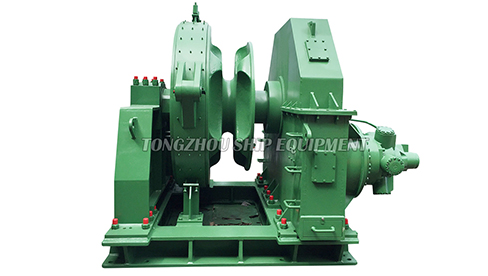
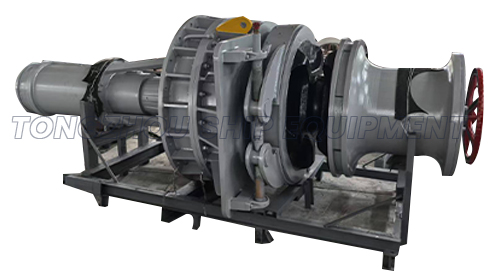
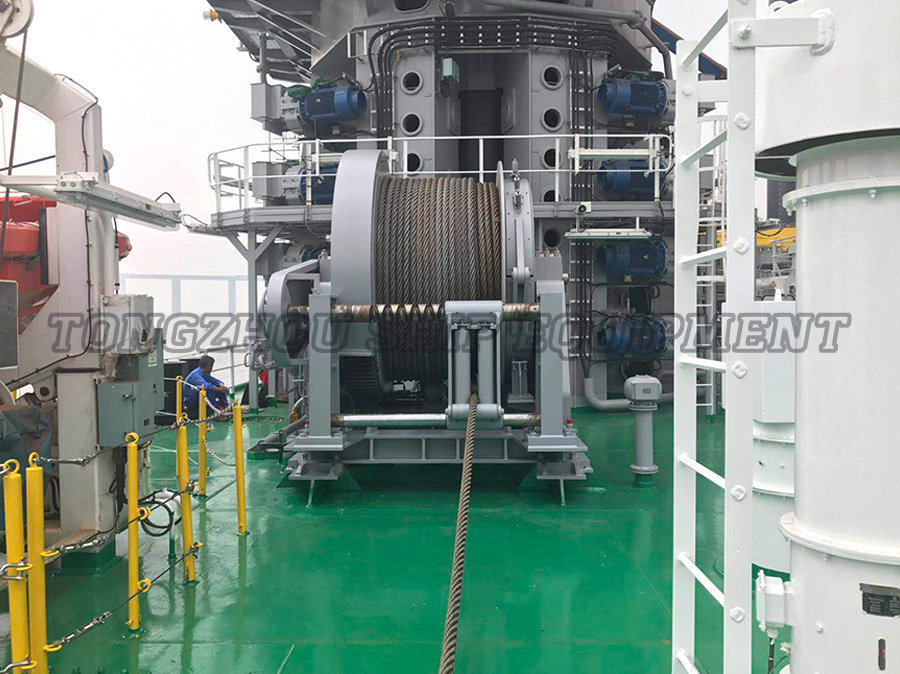
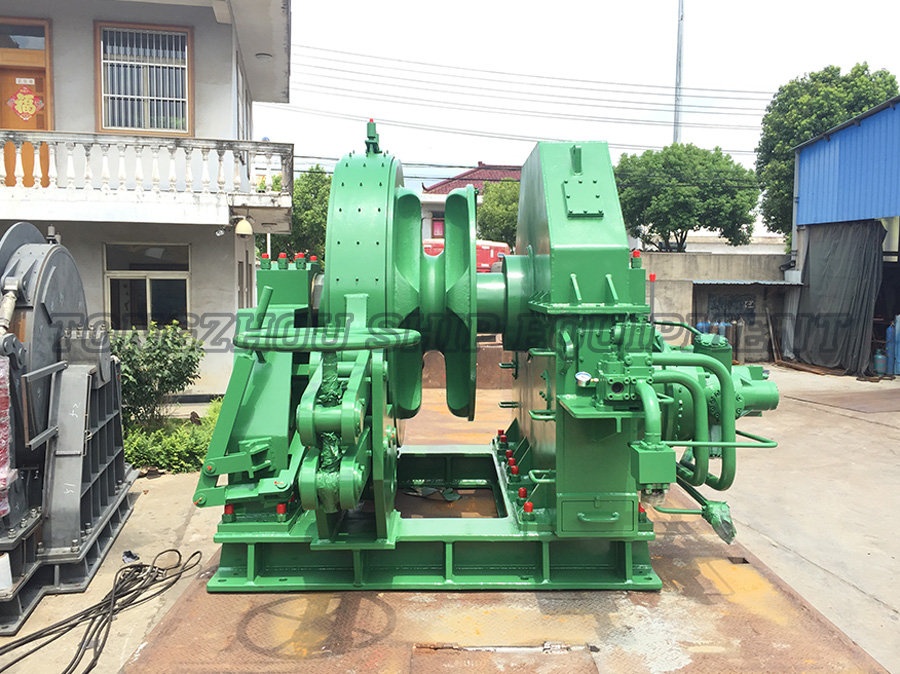
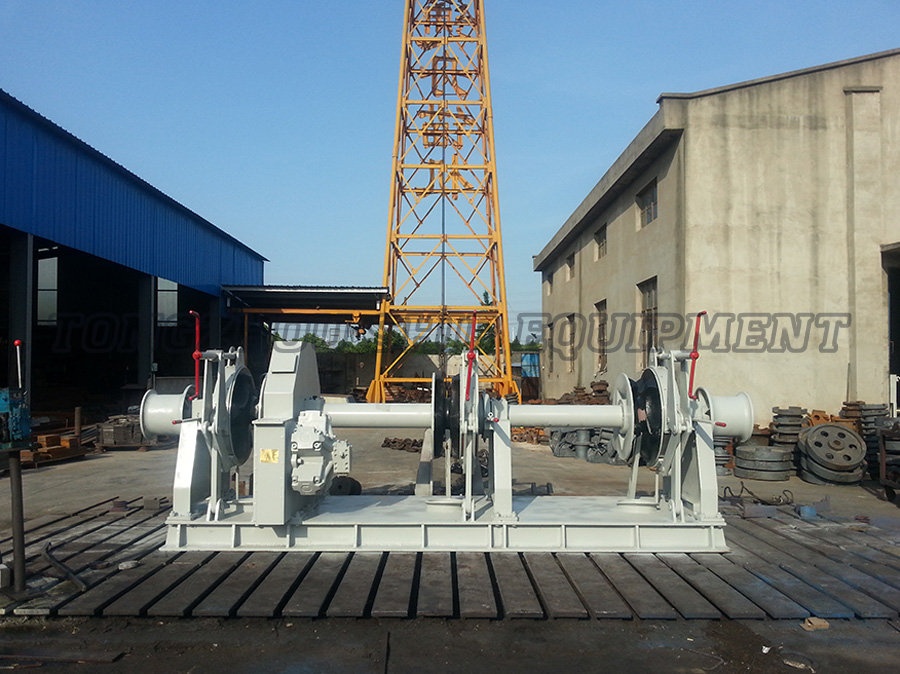
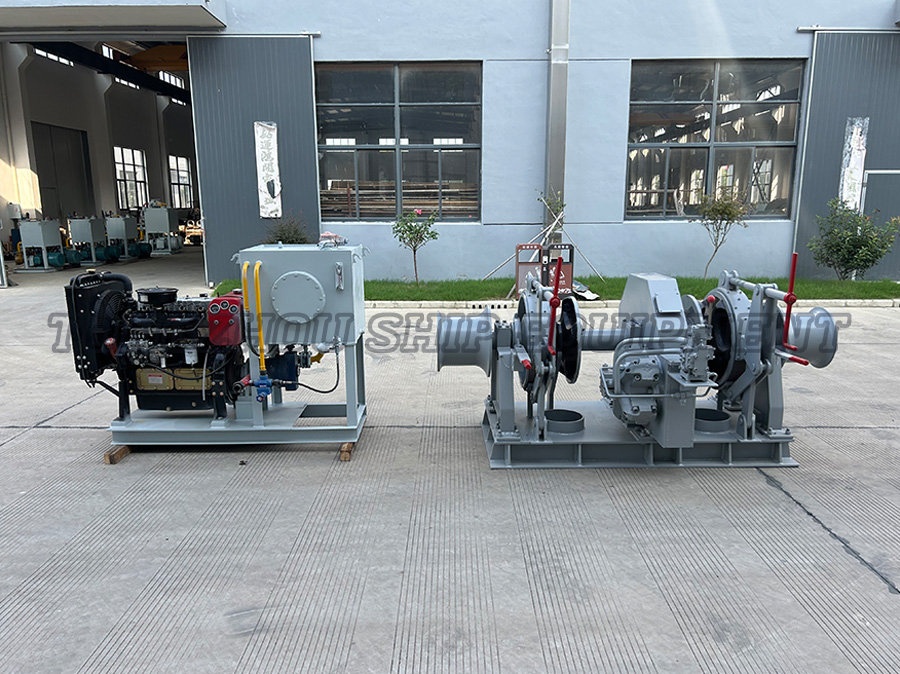
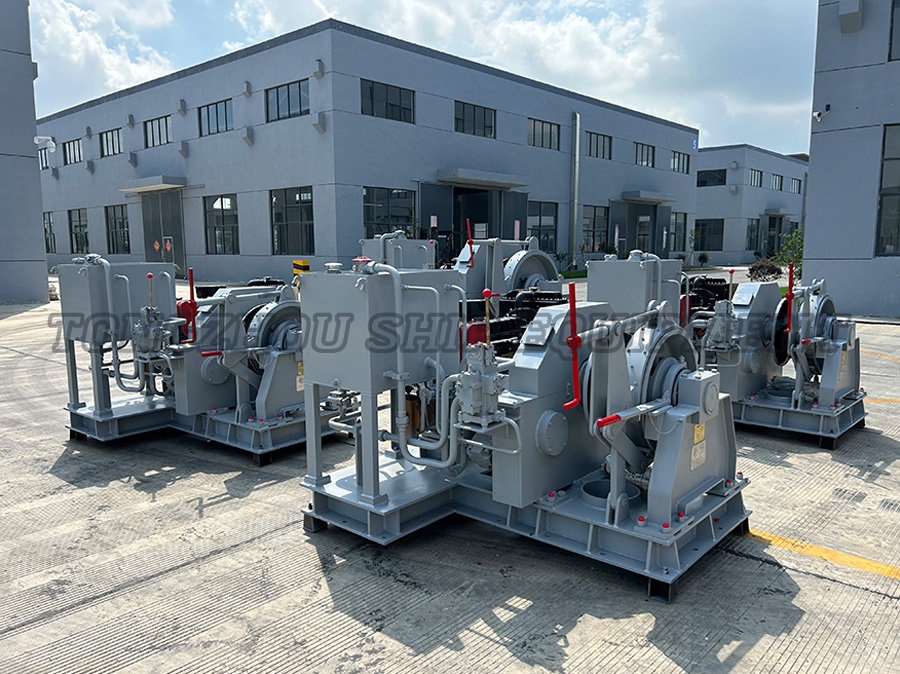
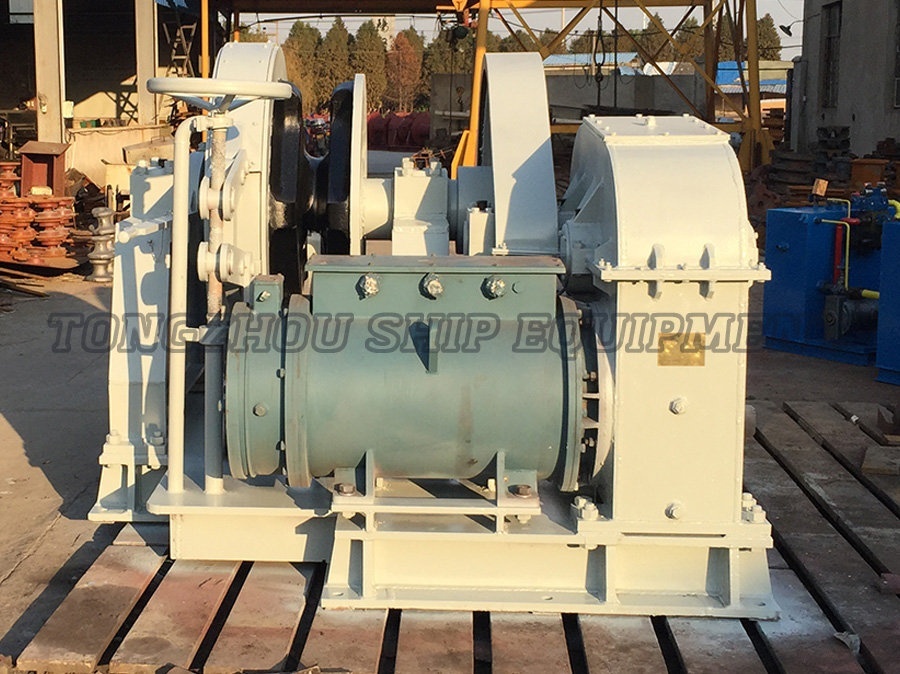
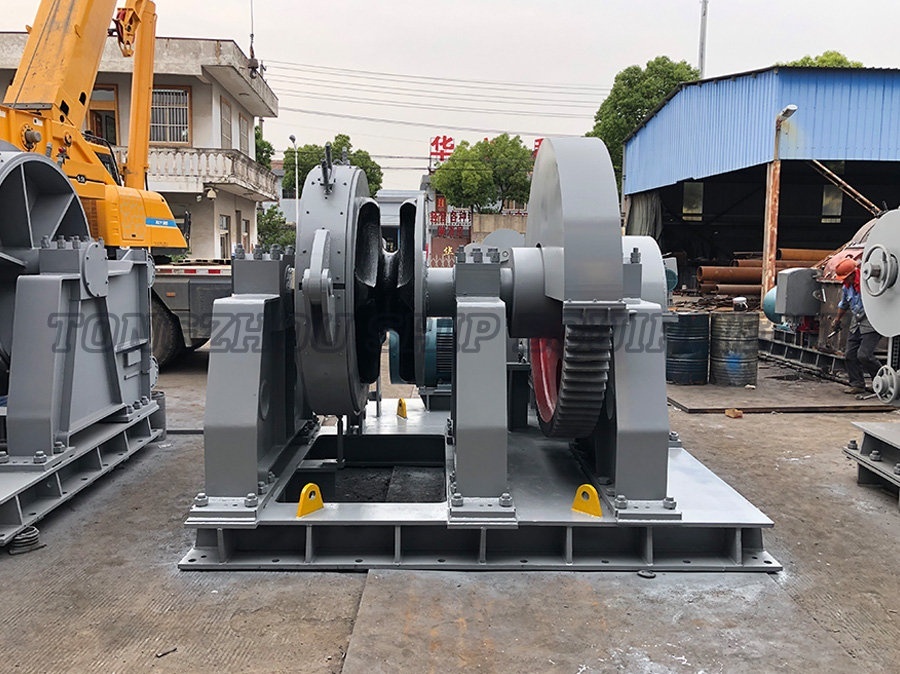
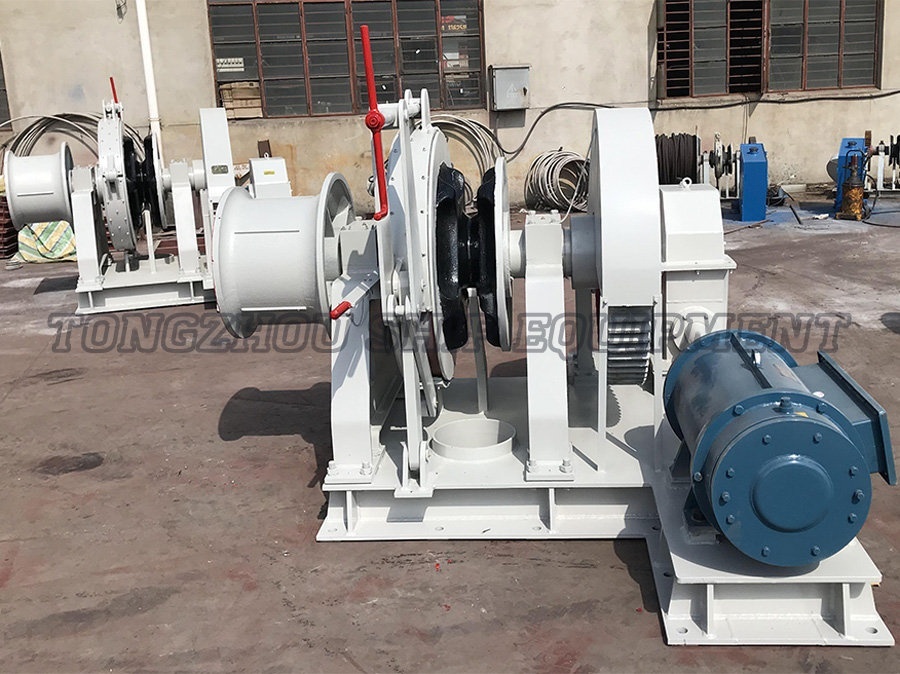
في السفن الحديثة، غالبا ما يتم الجمع بين هذه الوظائف. أ الجمع بين الرافعة ورافعة الإرساء يتعامل مع كل من سلسلة المرساة وخطوط الإرساء، مما يقلل من وزن معدات سطح السفينة ويبسط عملية التثبيت. بالنسبة للسفن التي تعتمد على التعامل اليدوي مع الخط، أ مرساة كابستان يوفر قوة السحب التي تجعل من الممكن سحب السفينة إلى الرصيف وإنشاء الركود الأولي اللازم لتمرير الخط حول الحاجز.
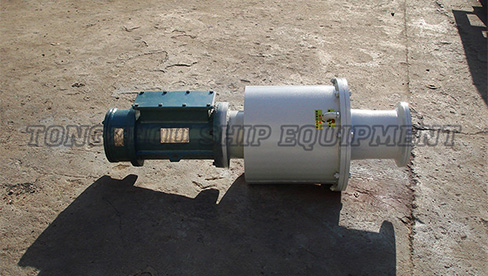 كابستان البحرية، مصنع مرساة كابستان، كابستان بالجملة، مرساة كابستان مانوفا شركة Xinghua Tongzhou Ship Equipment Co., Ltd هي شركة China Marine Capstan، ومصنع Anchor Capstan وكابستان بالجملة، ومصنع Anchor Capstan... عرض المنتج →
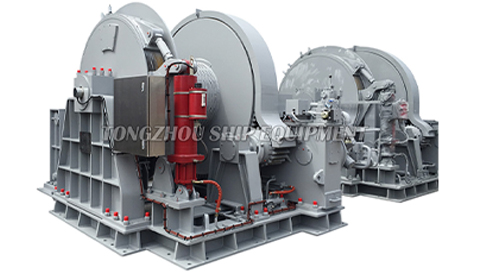
 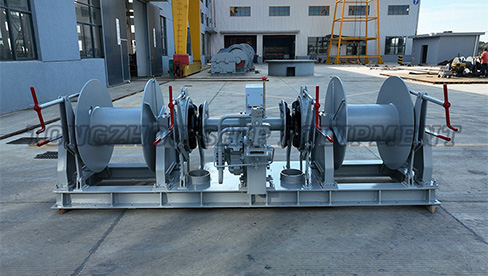 مصنعي ونش الإرساء، مصنع معدات الإرساء كمصنع صيني لمعدات الإرساء ومصنعي ونش الإرساء، تتخصص شركة Xinghua Tongzhou Ship في بيع معدات الإرساء بالجملة... عرض المنتج →
 إن اختيار الحاجز المناسب، إذن، لا يتعلق فقط بالتركيب نفسه - بل يتعلق أيضًا بتصميم تخطيط سطح السفينة حيث يتم وضع الحاجز، والرباط، والرافعة لدعم التعامل الآمن والفعال مع الخط.
كيفية اختيار الحاجز المناسب لسفينتك
إن اختيار الحاجز هو قرار هندسي حامل للأحمال، وليس مقارنة الأسعار. العمل من خلال هذه النقاط بالترتيب.
- متطلبات التحميل. هذا دائما يأتي أولا. تحديد الحد الأقصى لقوة الإرساء التي يمكن أن تمارسها السفينة - والتي يتم اشتقاقها عمومًا من إزاحة السفينة وسطح الطفو والرياح المتوقعة والظروف الحالية. اختر حاجزًا بسعة مقدرة أعلى من هذا الرقم بشكل مريح. يعتبر الرأس T الذي يبلغ وزنه 300 طن منتجًا مختلفًا عن المربط الذي يبلغ وزنه 20 طنًا، والفرق هو بيت القصيد.
- عدد الخطوط واتجاهها. قم بتقييم عدد الخطوط التي يجب تأمينها في محطة واحدة. إذا كان الوعاء يستخدم خطوط الثدي وخطوط الزنبرك وخطوط الرأس في نفس النقطة، أ بت مزدوج أو أ بولارد القرن يوفر خيارات أكثر أمانًا من المشاركة البسيطة.
- مساحة سطح السفينة والتخطيط. على سطح مزدحم، يجب أن يتشارك الحاجز في المساحة مع أماكن التهوية والخطوط الهيدروليكية والممرات. توفر القطعة المزدوجة المدمجة المساحة، بينما يكون شكل المربط أقل وأقل احتمالاً للتداخل مع حركة السير.
- البيئة والمد والجزر. إذا كانت السفينة تعمل في منطقة ذات نطاق مد وجزر كبير، فيجب أن يقبل الحاجز خطوطًا بزوايا رأسية شديدة الانحدار. في هذه الحالة أ بت واحد أو أ flared-top design is preferable to a straight pillar.
- التصنيف والتنظيم. بالنسبة للسفينة المبنية حسب الفئة، يجب أن يحمل الحاجز شهادة امتثال من المجتمع المعني. هذا ليس إجراء شكليا. إنه تأكيد موثق بأن التركيبات قد تم تصميمها واختبارها وفقًا لمعايير معروفة.
نصائح التفتيش والصيانة
مثل أي تركيب على متن السفينة، يتطلب الحاجز مكانًا في برنامج الصيانة المخطط للسفينة. معظم حالات الفشل لا تحدث دون سابق إنذار؛ فهي مرئية قبل فترة طويلة من حدوث انقطاع كارثي.
- فحص اللحامات والمسامير. تحقق من لحام القاعدة أو البراغي بحثًا عن الشقوق أو التشوه أو تلطيخ الصدأ. يعد وجود صدع في إصبع اللحام علامة خطيرة وليست مشكلة تجميلية.
- التحقق من سلامة الطلاء. يمكن أن يؤدي تراكم الصدأ الشديد حول القاعدة إلى تقليل الجزء الفعال من المعدن. قم بإصلاح الطلاء بمجرد ملاحظة التلف لوقف التآكل في مساراته.
- ابحث عن تآكل السطح. ال area where the line wraps is subject to constant friction. If you can see grooves or flattened spots in this area, the bollard is being worn down and may need replacement.
يظهر هذا النوع من التآكل في مرافق الموانئ أيضًا. هناك حالات موثقة لموانئ استبدلت العشرات من الأعمدة في مشروع تجديد واحد، وهو دليل على أنه حتى التركيبات المصممة جيدًا لها عمر خدمة محدود. يعد البقاء في صدارة دورة الحياة هذه على سفينتك الخاصة أرخص بكثير من الفشل في منتصف العملية. لاعتبارات السلامة ذات الصلة، راجع تحليلنا ل مرساة اعتبارات سلامة الرافعة للسفن الكبيرة .
الاستنتاج
ال ship bollard is one of the simplest pieces of equipment on a vessel, yet its function is non-negotiable. It is the anchor point for every mooring operation, the component that holds the vessel to the dock in wind, current, and traffic.
ال key to selecting the right bollard is to balance load capacity, type, and environment. A T-head for general cargo, a double bitt for dense line arrangements, a single bitt for high tides—each has its proven application. Material and mounting method matter just as much as the shape, and all of these decisions must align with the vessel's class and its existing deck layout.
عندما تبدأ عملية المواصفات، ضع في الاعتبار الحاجز في سياق محطة عمل الإرساء بأكملها - وليس بشكل منفصل. سوف يكمل الحاجز الأيمن شريط سطح السفينة ورافعة الإرساء، مما يخلق نظامًا آمنًا وفعالًا وسهل الاستخدام للطاقم.

-
البريد الإلكتروني للشركة:
-
البريد الإلكتروني للمبيعات:
-
العنوان:رقم 16 من طريق كيشنغ، منطقة التنمية، مدينة شينغهوا، مقاطعة جيانغسو، الصين